






Laser Hair Removal: The Magic of Light
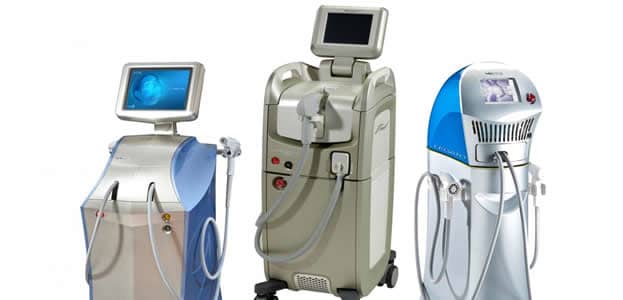
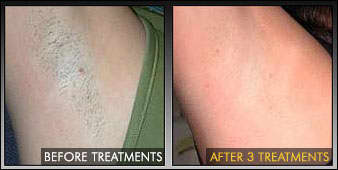 Laser hair removal uses laser light pulses that selectively destroy hair follicles by targeting the melanin in them. More specifically, the hair follicle's pigment absorbs the laser's light pulse, damaging the follicle enough to significantly slow down hair regrowth. Laser hair removal can be performed anywhere on the body, including sensitive areas like the face or bikini line. Women with dark hair and light skin are the best candidates since the lasers target melanin. Lasers won't work on white or very fine hair unless it's dyed a darker color, and they are much less effective on blond hair. After a complete series of sessions, up to 90% of hair is permanently removed.
Most lasers work on Latina skin, but only one or two--such as the Nd:YAG and the Diode--are safe for African American skin tones.
Laser hair removal usually requires 5-7 sessions, with a touch-up session needed once a year. The cost runs between $150 and $500, or sometimes more depending on how many treatments are needed.
Laser hair removal uses laser light pulses that selectively destroy hair follicles by targeting the melanin in them. More specifically, the hair follicle's pigment absorbs the laser's light pulse, damaging the follicle enough to significantly slow down hair regrowth. Laser hair removal can be performed anywhere on the body, including sensitive areas like the face or bikini line. Women with dark hair and light skin are the best candidates since the lasers target melanin. Lasers won't work on white or very fine hair unless it's dyed a darker color, and they are much less effective on blond hair. After a complete series of sessions, up to 90% of hair is permanently removed.
Most lasers work on Latina skin, but only one or two--such as the Nd:YAG and the Diode--are safe for African American skin tones.
Laser hair removal usually requires 5-7 sessions, with a touch-up session needed once a year. The cost runs between $150 and $500, or sometimes more depending on how many treatments are needed.
Laser Hair Removal Pros
- Treatments are quick and relatively painless
- It's highly effective at achieving permanent hair reduction
- The method is effective for removing hair from large areas such as the back or legs
- Only a small series of treatments is needed
Laser Hair Removal Cons
- Side effects can range from itching or swelling to burning and skin discoloration
- People with dark hair have more success with this treatment than people with light hair
- Treatment can be expensive compared to other hair removal methods
Electrolysis: One Pinprick at a Time
Electrolysis works by inserting a small needle or thin metal probe into the hair follicle. A low-level electrical current then passes through the needle or probe into the skin and destroys the follicle. Hair is unable to grow back in the area where the follicle has been destroyed. Electrolysis is the only hair removal method that is permitted to be called "permanent," and it's most commonly used for facial hair. The major downside to electrolysis is that it requires that the removal be done hair-by-hair, a tedious process that can take up to 25 sessions. Another downside is that electrolysis can cause tiny scars where the needle is inserted. For most people, these minuscule wounds heal unnoticed, but for African Americans, they can mean an increased risk of hyperpigmentation and keloid formation. Electrolysis costs between $40 and $90 per treatment. It can take as many as 10 to 25 treatments to see permanent results.Electrolysis Pros
- It is the only method that permanently removes hair
- Can treat all different skin tones and hair types
- Especially effective on facial hair
Electrolysis Cons
- Requires numerous sessions
- Not effective on larger areas of hair
- Can be very painful
- Has the potential to discolor skin
- Can be costly
Waxing: The Old Fashioned Choice
 Waxing has been around for centuries as a hair removal technique. And the technique hasn't changed much since Cleopatra's day. Wax is warmed until it's soft and spreadable. Using a wooden stick that looks a lot like a tongue depressor, the warm wax is spread on the treatment area. Usually, the wax is applied in small portions at a time. Then a clean white cloth is pressed down on top of the warm wax and is yanked off quickly, pulling out the hair with it--roots and all. Waxing can remove hair anywhere on the body, including the upper lip, chin, eyebrows, bikini area, arms, and legs.
Waxing is best done in a spa or a salon, but home kits are available. It is vital however to do the procedure in hygienic conditions and to follow treatment with an antibacterial lotion. Done incorrectly, waxing can lead to nasty skin infection.
The cost of waxing runs anywhere from $35-80 for salon waxing, depending on areas waxed and your salon of choice.
Waxing has been around for centuries as a hair removal technique. And the technique hasn't changed much since Cleopatra's day. Wax is warmed until it's soft and spreadable. Using a wooden stick that looks a lot like a tongue depressor, the warm wax is spread on the treatment area. Usually, the wax is applied in small portions at a time. Then a clean white cloth is pressed down on top of the warm wax and is yanked off quickly, pulling out the hair with it--roots and all. Waxing can remove hair anywhere on the body, including the upper lip, chin, eyebrows, bikini area, arms, and legs.
Waxing is best done in a spa or a salon, but home kits are available. It is vital however to do the procedure in hygienic conditions and to follow treatment with an antibacterial lotion. Done incorrectly, waxing can lead to nasty skin infection.
The cost of waxing runs anywhere from $35-80 for salon waxing, depending on areas waxed and your salon of choice.
Waxing Pros
- Cost effective way to remove unwanted hair
- Temporarily removes hair at the root for an average of three weeks to a month
- Can be used anywhere on the body
Waxing Cons
- Waxing needs some regrowth in order to be effective
- Treatments are painful, especially in sensitive areas
- Can lead to ingrown hairs
Shaving: Pure & Simple Hair Removal
 Whether done with an electric or straight razor, shaving is akin to cutting hair, only it does so close to the skin. Shaving doesn't remove hair at the root, nor does it disturb the follicle. This means the effects are only temporary, lasting anywhere from a few hours to a few days.
Though it's one of the easiest hair removal methods, shaving does have several drawbacks, including the risk of getting ingrown hairs, irritated skin, and cuts. You can minimize shaving problems by making sure hair is thoroughly wet first, shaving in the direction the hair grows, avoiding repeating strokes, and keeping skin relaxed while shaving.
Razors and shaving cream can be inexpensively purchased at any grocery or drugstore. A lot of today's razors also contain moisturizing strips that help nourish the skin and lather as you shave for a smoother, easier, one-step shaving experience.
Whether done with an electric or straight razor, shaving is akin to cutting hair, only it does so close to the skin. Shaving doesn't remove hair at the root, nor does it disturb the follicle. This means the effects are only temporary, lasting anywhere from a few hours to a few days.
Though it's one of the easiest hair removal methods, shaving does have several drawbacks, including the risk of getting ingrown hairs, irritated skin, and cuts. You can minimize shaving problems by making sure hair is thoroughly wet first, shaving in the direction the hair grows, avoiding repeating strokes, and keeping skin relaxed while shaving.
Razors and shaving cream can be inexpensively purchased at any grocery or drugstore. A lot of today's razors also contain moisturizing strips that help nourish the skin and lather as you shave for a smoother, easier, one-step shaving experience.
Shaving Pros
- It's cost-effective
- It's painless, quick and easy
- Shaving creams can help moisturize skin
Shaving Cons
- Hair regrowth happens quickly
- Razor burn, nicks and cuts can happen
- Regular shavers are more prone to ingrown hairs
- Cannot be used on the facial area