


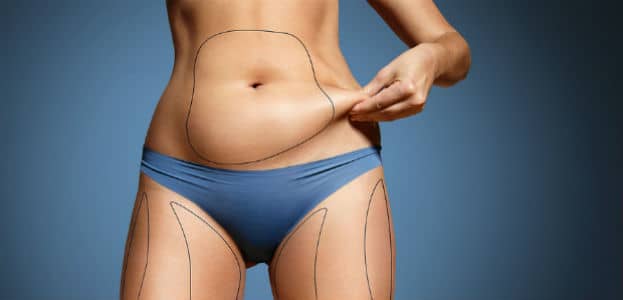
How Liposuction Works
Liposuction essentially removes fat deposits from areas of your body. It's an invasive procedure that involves inserting small, thin tubes through tiny cuts in the skin. The doctor then moves the tubes around under the skin, suctioning out excess fat. Because liposuction involves small incisions, it is typically an outpatient procedure that requires local anesthesia. If you're having a lot of fat suctioned out, then you might need general anesthesia. After the liposuction procedure is performed, the treated areas are wrapped to reduce swelling and bruising. And you might be required to wear a compression garment for three to four weeks afterward. Sometimes doctors prescribe antibiotics to reduce the risk of infection, and you can expect fluid drainage from the incision sites for a few days. It'll take several weeks before you can resume normal activities.Liposuction Risks - It's Invasive For Sure
Because liposuction is an invasive procedure, it does carry some considerable risks and complications. Some common side effects of liposuction include:- Swelling, bruising, soreness, and numbness
- Irritation and scarring
- Baggy or rippling skin
- Color changes
- Uneven skin surface
- Nerve damage
- Blood and fluid loss
- Blood clots
- Fat clots
- Fluid buildup in the lungs
- Infection
- Toxic reactions
- Punctured organs