


How Does Botox Work to Smooth Out Wrinkles and Frown Lines?
If you've ever looked in the mirror and noticed frown lines, forehead wrinkles, or crow's feet slowly making their mark, you've probably wondered if there's a way to hit pause--or even rewind--the signs of aging. That's where Botox comes in. This popular cosmetic treatment is a go-to for millions of people looking for smoother, younger-looking skin without going under the knife. But how exactly does Botox work? What's in it? And are there any side effects you should know about? Let's break it all down in this simple, easy-to-understand guide.What Is Botox?
Botox is the brand name for a purified form of botulinum toxin, a protein derived from the bacterium Clostridium botulinum. While the word "toxin" might sound scary, Botox is FDA-approved and has been safely used for both medical and cosmetic purposes for over two decades. In the world of aesthetics, Botox is primarily used to treat dynamic wrinkles--those lines that form from repeated facial movements like smiling, frowning, or squinting. Over time, these movements cause grooves in the skin, especially in areas like the forehead, between the eyebrows (also known as frown lines or "11s"), and around the eyes. But Botox isn't just for treating existing wrinkles--it can also help prevent them. Preventative Botox is increasingly popular among people who want to get ahead of the aging curve by relaxing overactive muscles before fine lines have a chance to deepen. The result? A smoother, more youthful look that lasts longer over time.How Does Botox Work?
Here's the science behind the smooth skin: when you frown or squint, your brain sends signals to certain facial muscles to contract. These muscle contractions pull on your skin, creating lines and creases. Botox works by blocking those nerve signals, preventing the targeted muscles from contracting. Dr. Will Kirby, Chief Medical Officer of LaserAway and board-certified dermatologist, explains it simply: "The way Botox works is that it simply temporarily prevents the communication between nerves and muscles. When the nerves can't tell the muscles what to do, the muscles relax and wrinkles disappear." Once injected, Botox relaxes the muscles under the skin, which helps soften existing wrinkles and prevent new ones from forming. The effects aren't permanent, but they typically last around three to four months. Over time, with consistent treatments, you may even notice those wrinkles become less pronounced as the muscles "learn" to stay relaxed.What Areas Can Botox Treat?
Botox is incredibly versatile and can be used on several areas of the face to reduce wrinkles and achieve a more refreshed look. The most common treatment areas include:- Frown lines (the vertical lines between your eyebrows)
- Forehead lines
- Crow's feet (lines around the eyes)
- Bunny lines (lines on the nose)
- Smoker's lines
- Masseters (jawline)
- Downturned corners of the mouth (DAO)
- Dimpled chin
- Marionette lines
- Neck bands
What Is Getting Botox Like?
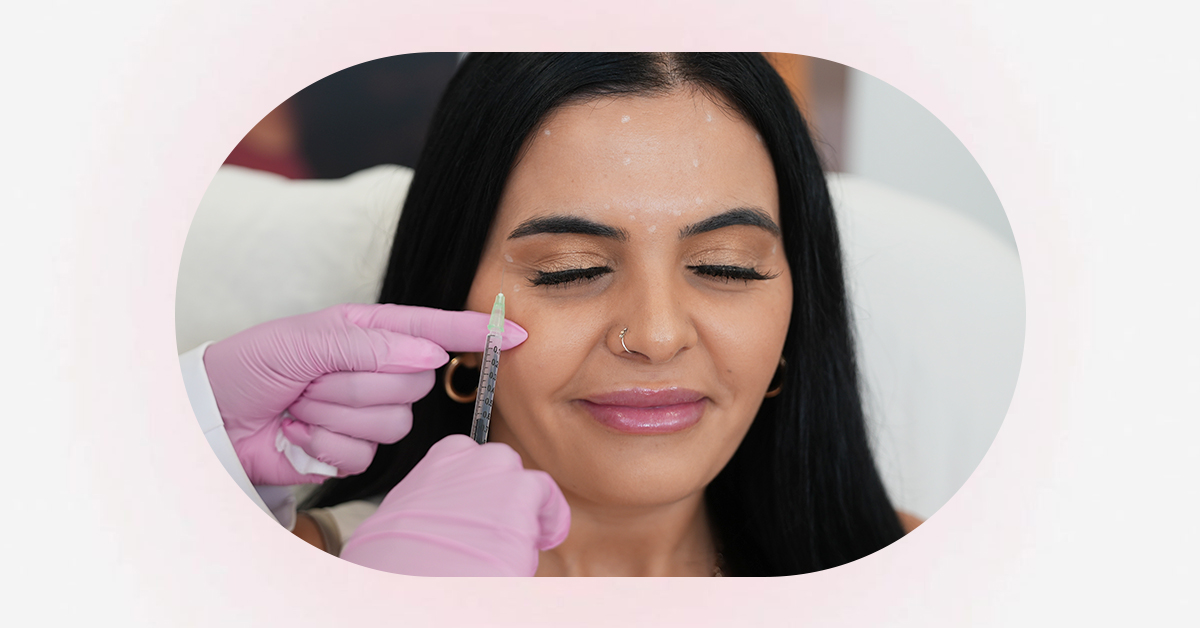
The idea of getting a cosmetic injection might sound intimidating, but Botox is one of the most straightforward minimally-invasive treatments out there. During the treatment, one of our clinicians will use a tiny needle to inject small amounts of Botox directly into the targeted muscles. Most people describe the sensation as a quick pinch, and there's typically no need for anesthesia. Afterward, you can go about your day as usual--just avoid rubbing the treated area and hold off on strenuous workouts for 24 hours. Results begin to show within a few days, with full effects visible in about one to two weeks.Are There Any Side Effects?
As with any cosmetic treatment, it's natural to have questions about safety. Botox has an excellent safety profile when administered by trained professionals like LaserAway's clinicians. As Dr. Will Kirby notes, "Botox is exceedingly safe--it's one of the most studied medications in the world. It's been on the market for more than 20 years." However, there can be a few mild and temporary side effects, including:- Redness, swelling, or bruising at the injection site
- Headache
- Mild discomfort
- Temporary drooping of eyelid or eyebrow (rare)
Why Botox Is More Than Just a Wrinkle Fix
While Botox is most known for softening frown lines and other facial wrinkles, it's also being used in exciting new ways. For example, it can:- Prevent wrinkles from forming by relaxing overactive facial muscles early on
- Create a more symmetrical appearance by lifting certain facial features
- Enhance results when paired with other cosmetic treatments like dermal fillers or laser resurfacing